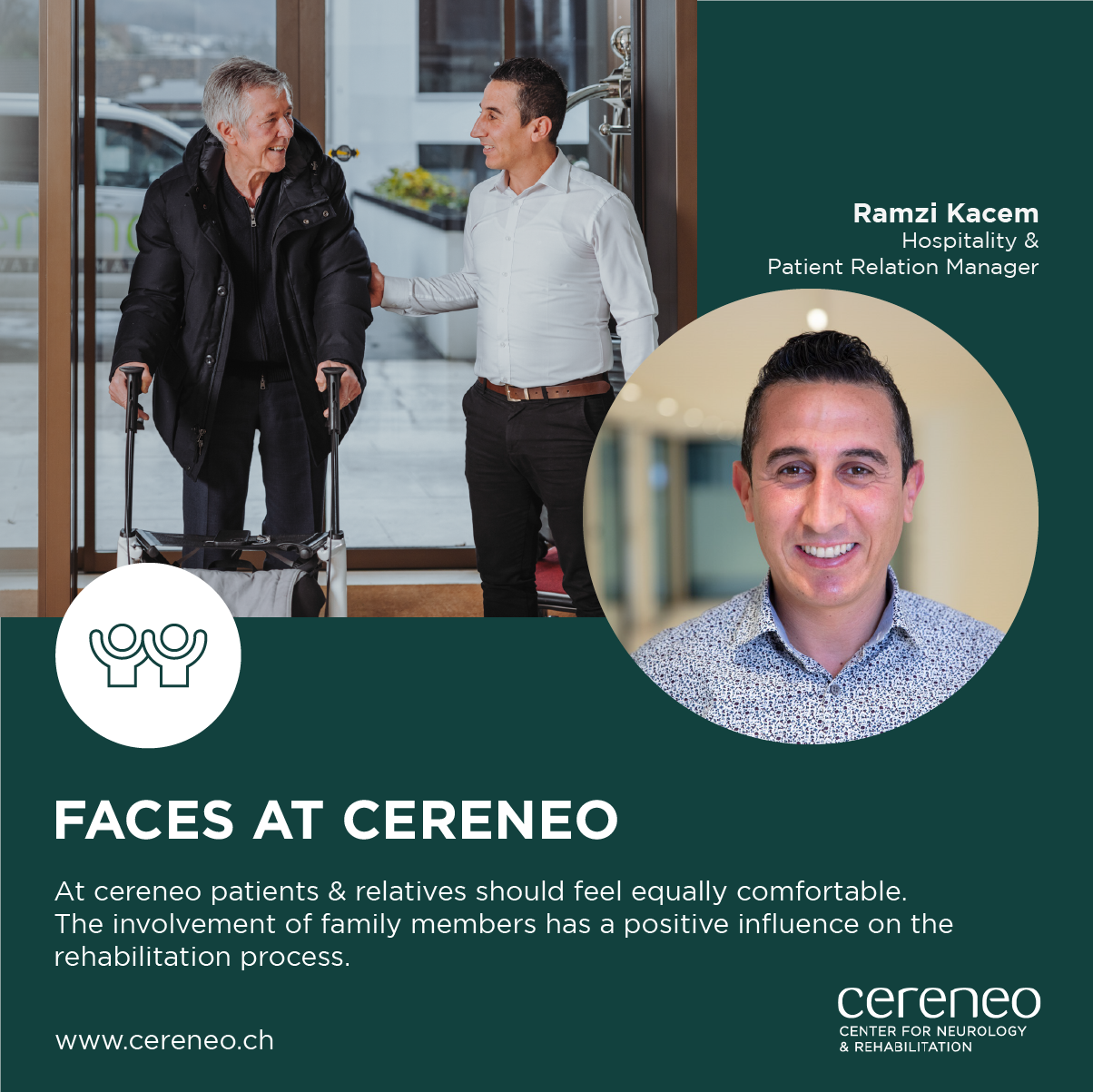
The family plays an important role in the rehabilitation process
At cereneo, Swiss and international patients from different regions and cultures come together. Regardless of where our guests come from, everyone involved has the same

At cereneo, Swiss and international patients from different regions and cultures come together. Regardless of where our guests come from, everyone involved has the same
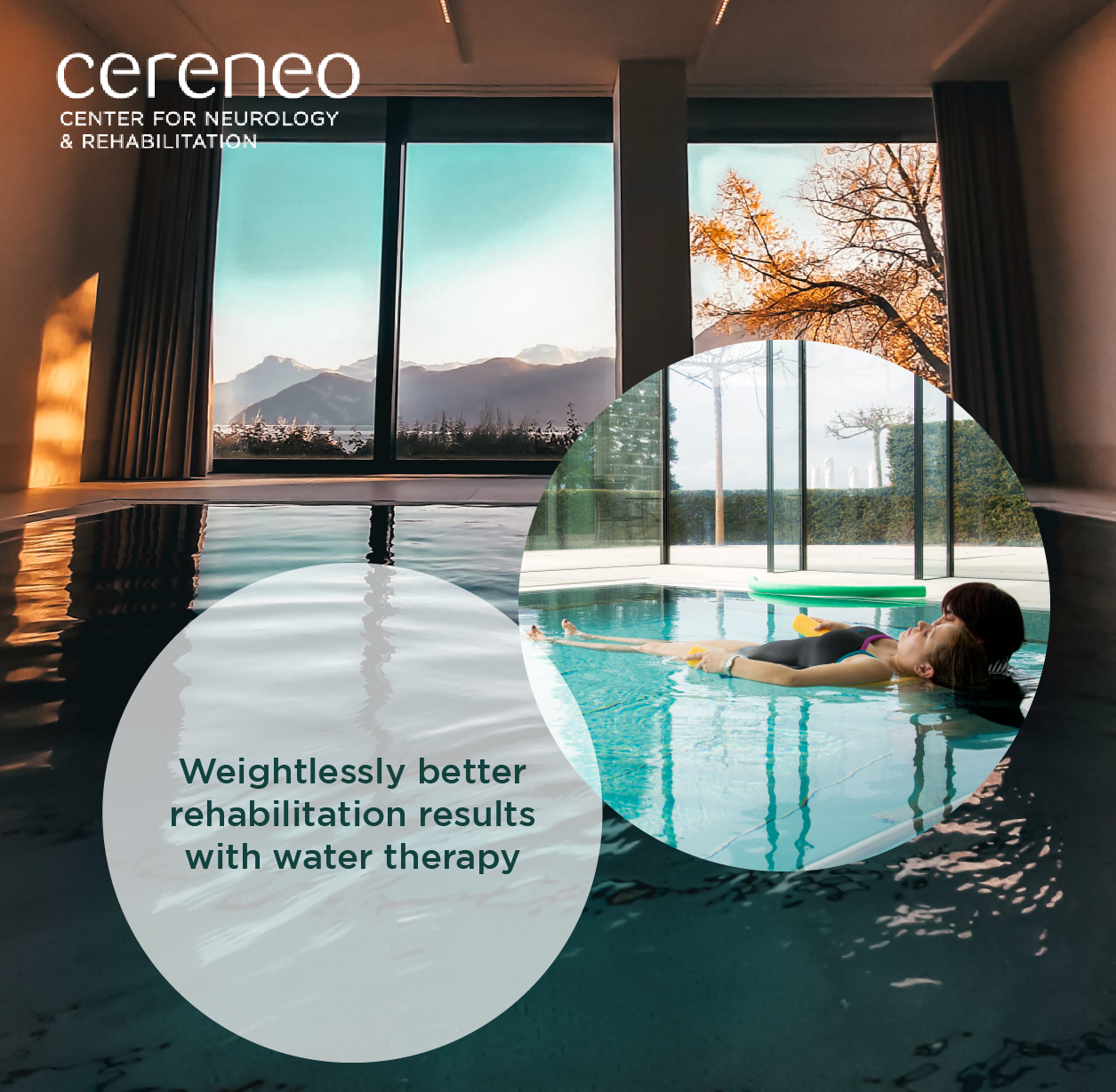
Water therapy is popular with many patients because they experience a completely different physical sensation in the water. The two clinics at cereneo have a
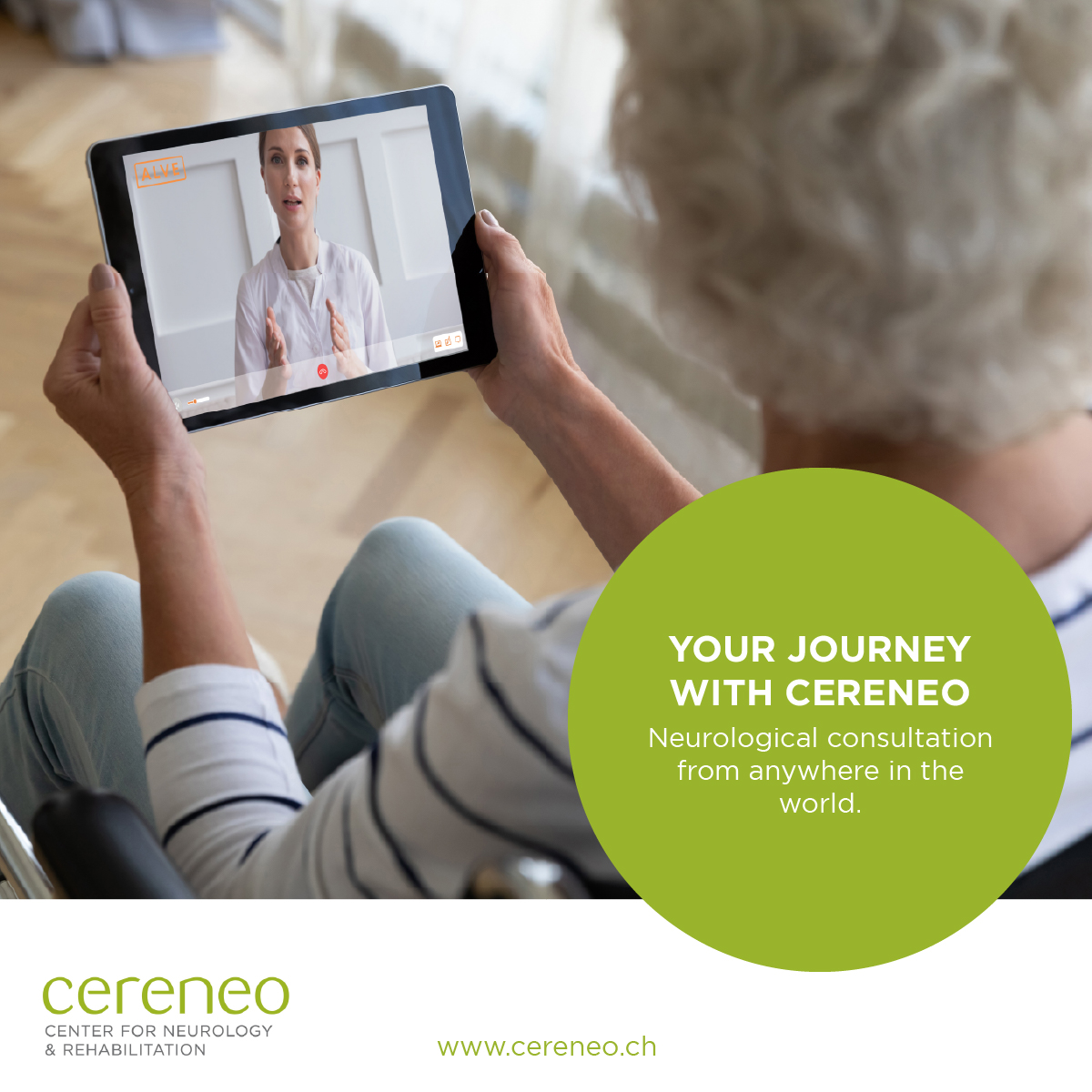
With cereneo’s online consultation, patients from all over the world can access neurological advice from experienced neurologists. A Holistic Approach Online consultations are specifically designed
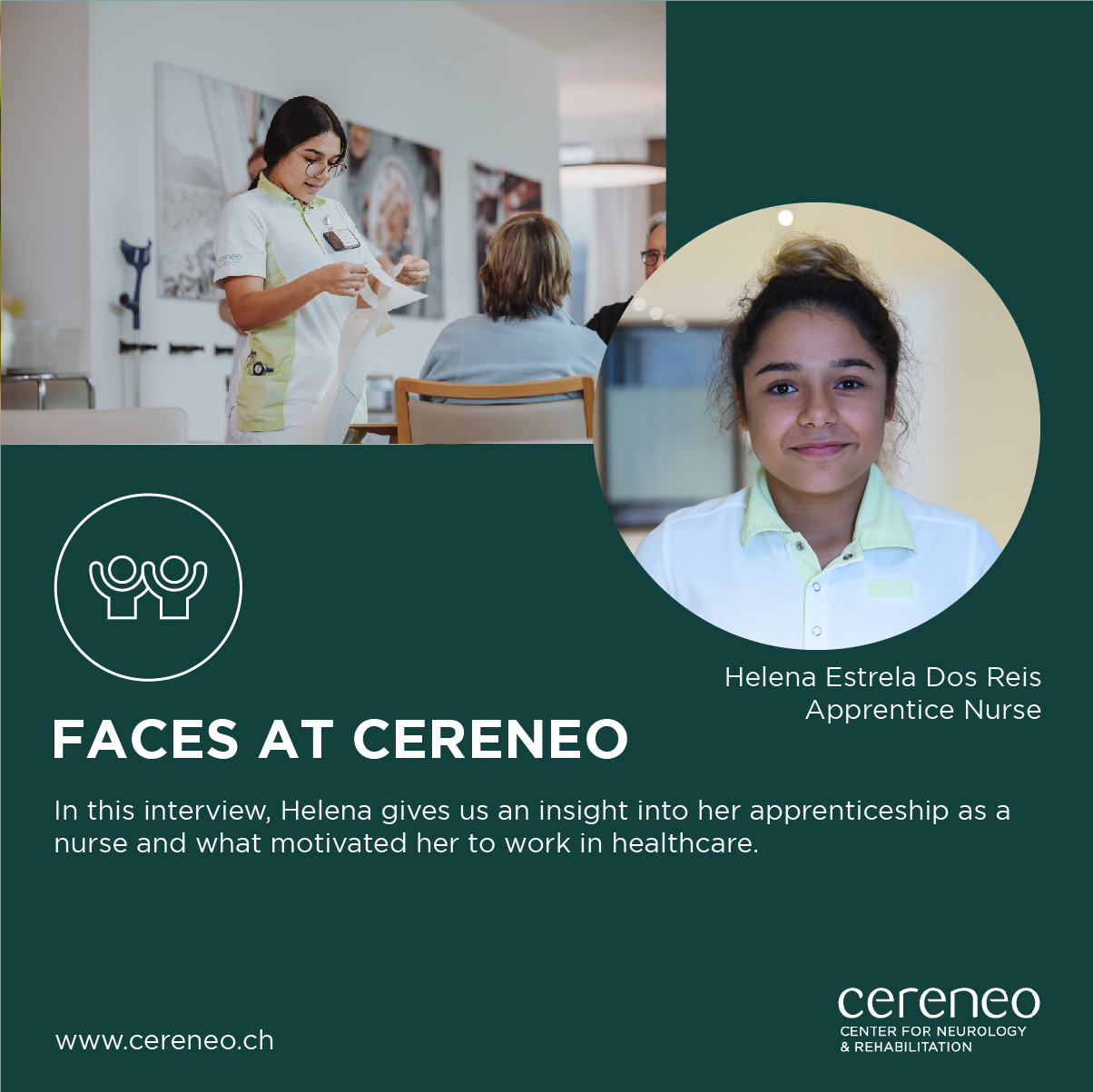
Helena started her apprenticeship as a nurse with us in summer 2022 and is now almost halfway through. She will give us some insights into
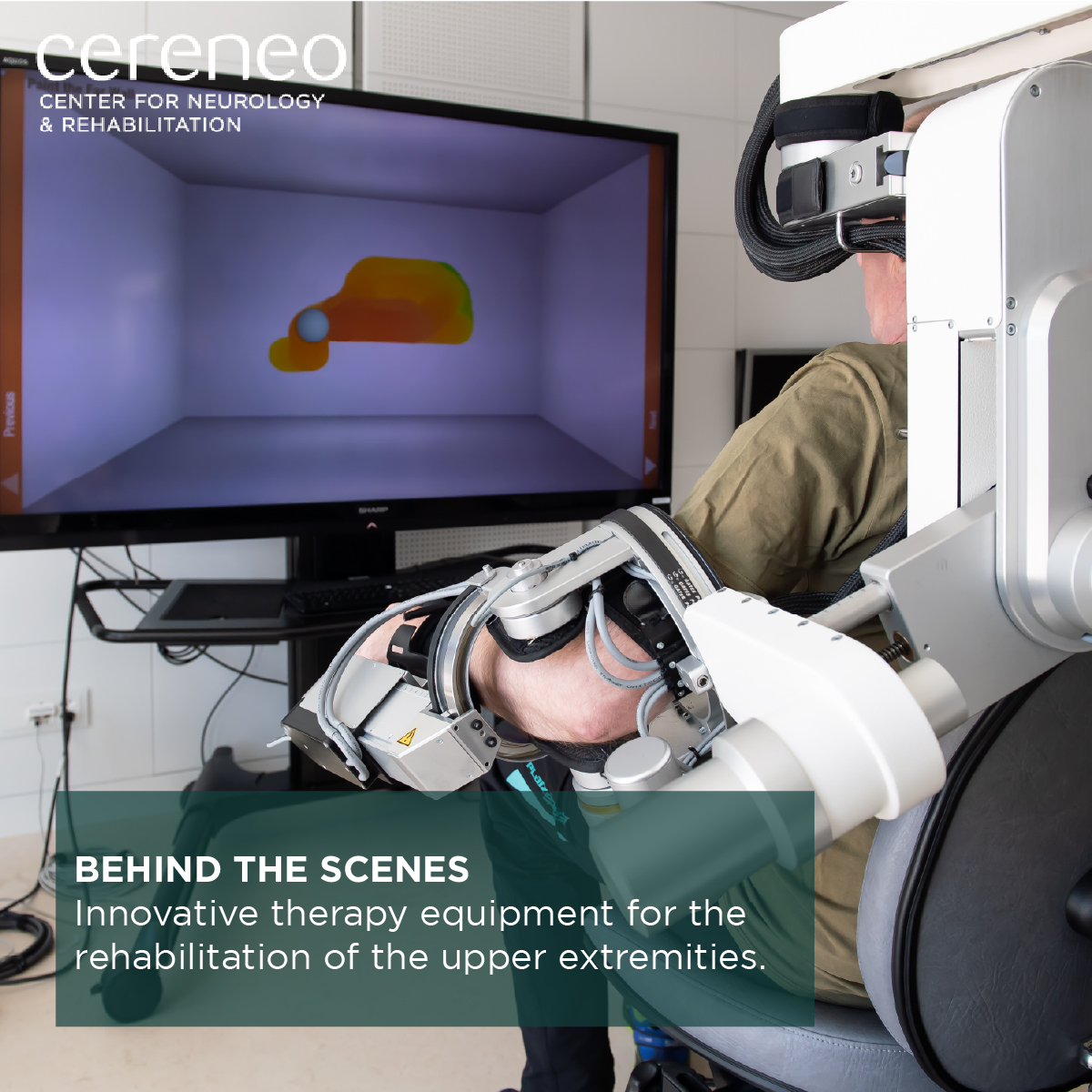
After a stroke, traumatic brain injury, or neurodegenerative diseases such as Parkinson’s or multiple sclerosis, impairments in arm and hand function may occur. For each
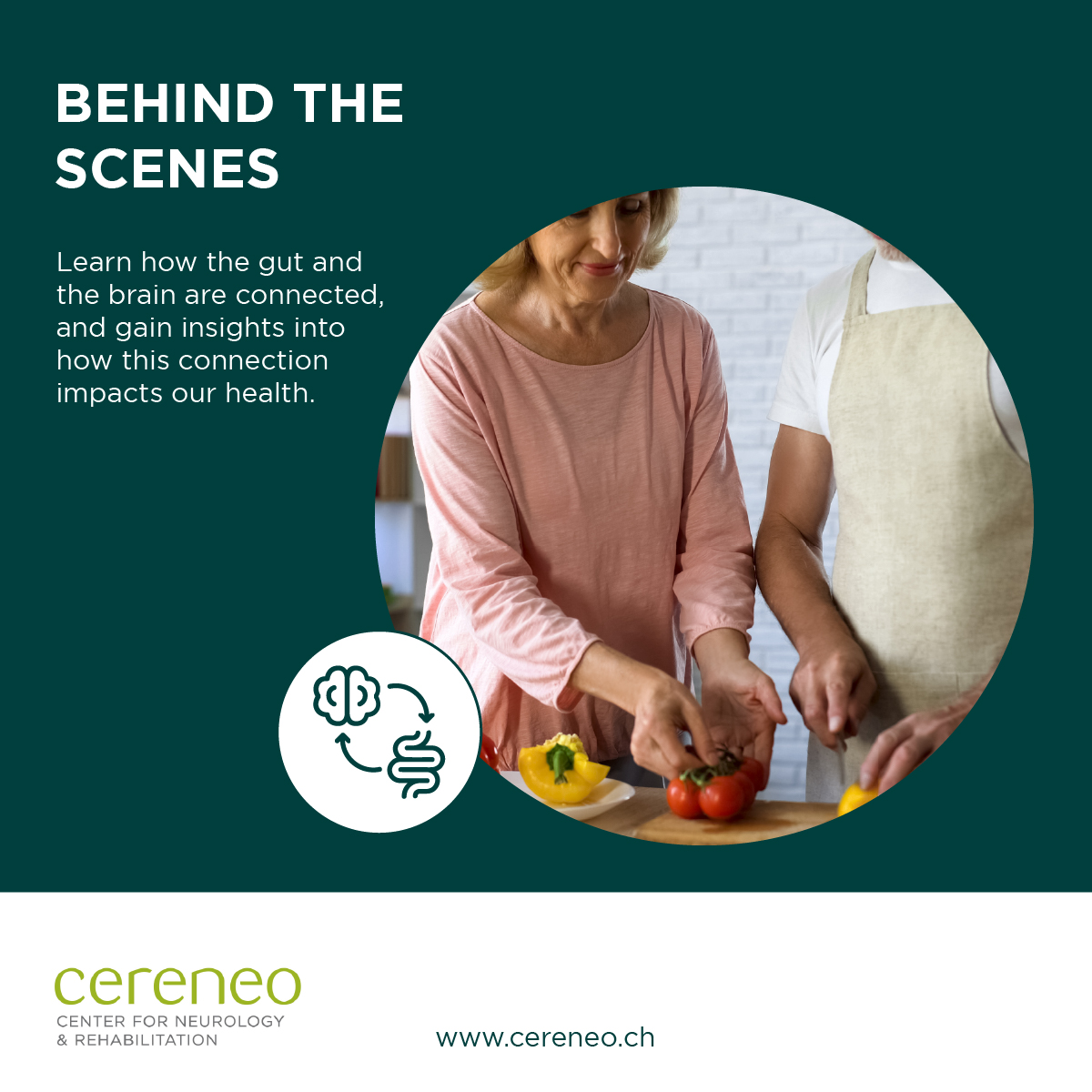
Eating is not only just to satisfy our hunger; it might also play a significant role in preventing neurological and neurodegenerative diseases and other disorders.
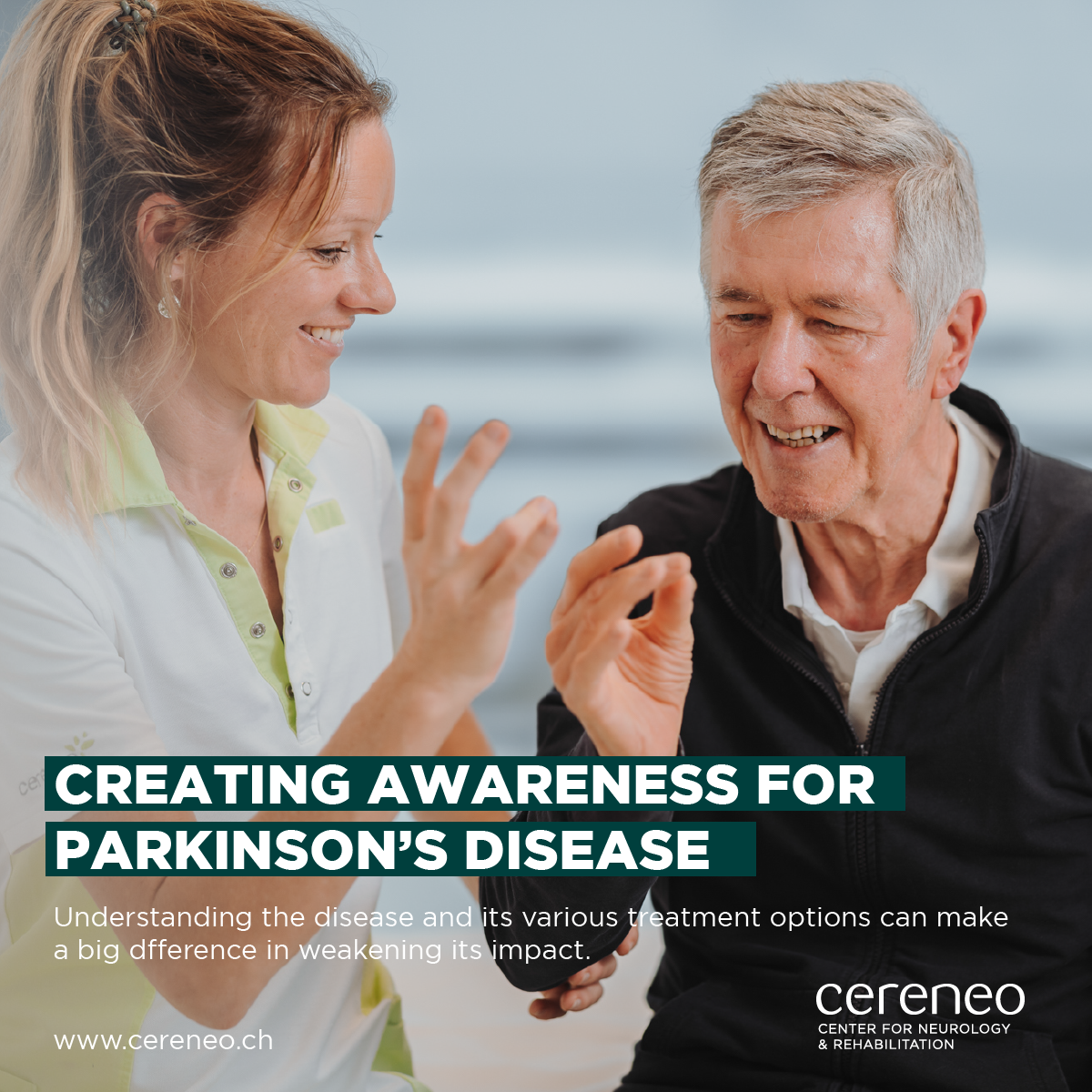
Parkinson’s disease is a complex neurological condition that affects millions of people worldwide. While it may seem daunting, understanding the basics of this disease and
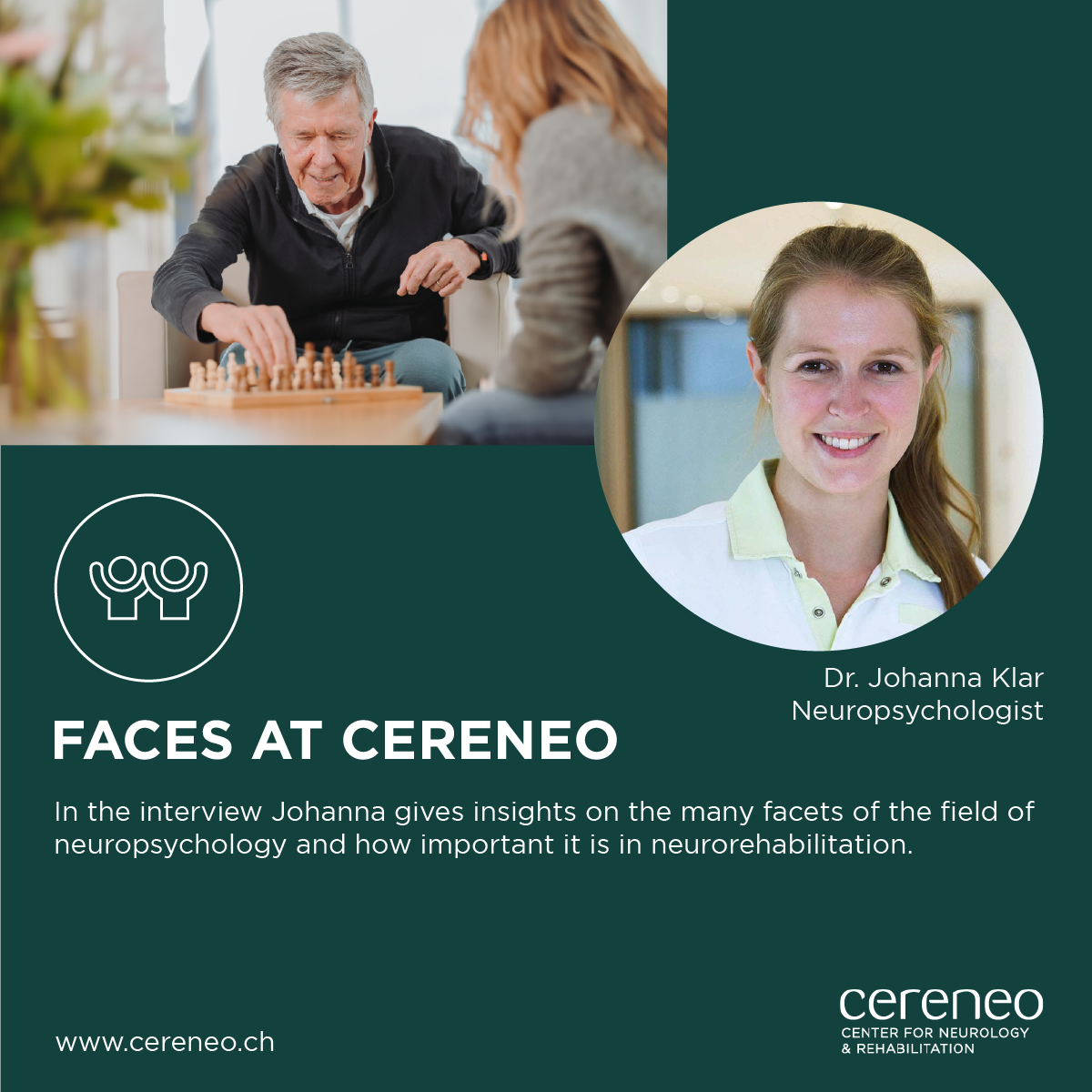
Dr Johanna Klar has been working as a neuropsychologist at cereneo since October 2021. In her master’s degree and doctorate in psychology, she delved into
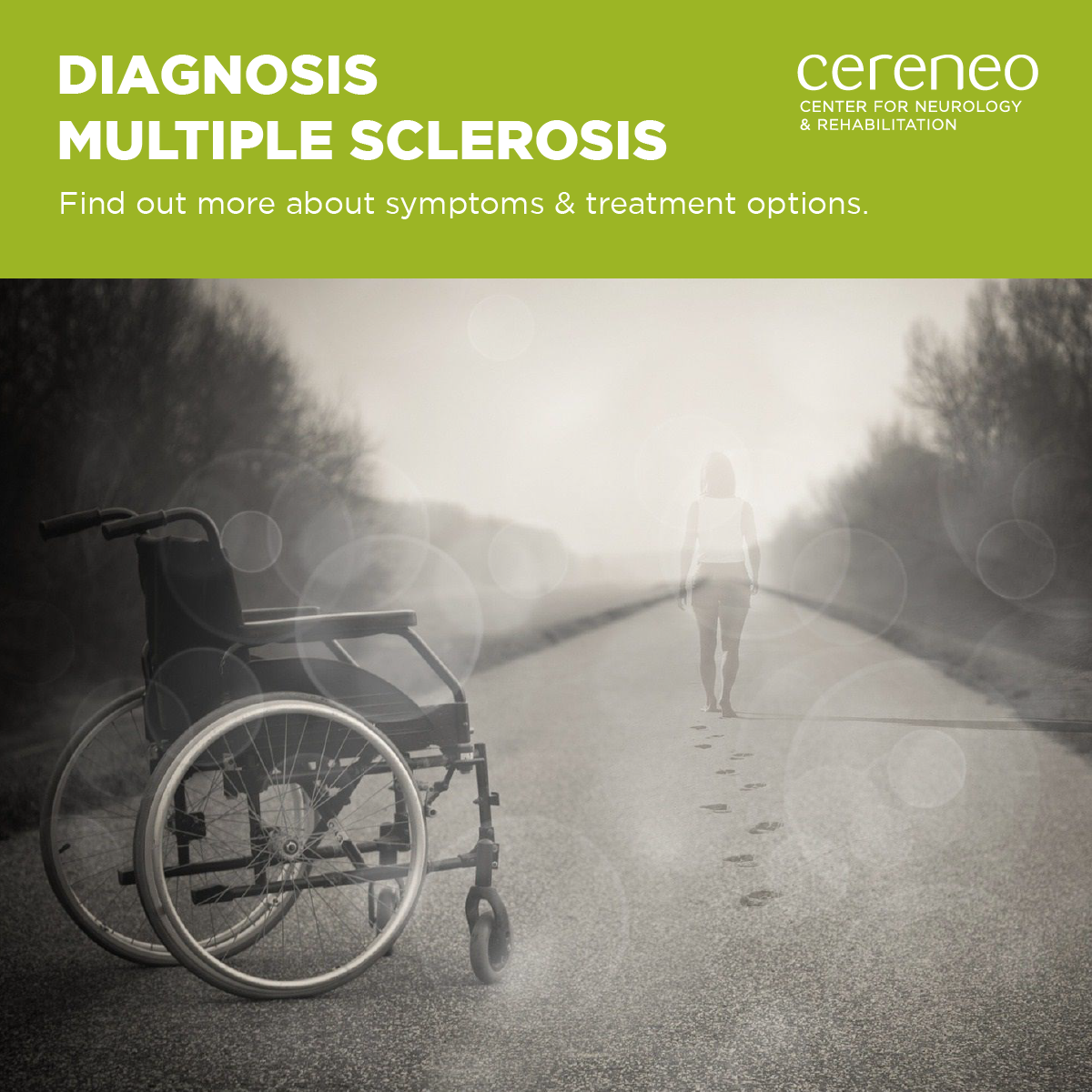
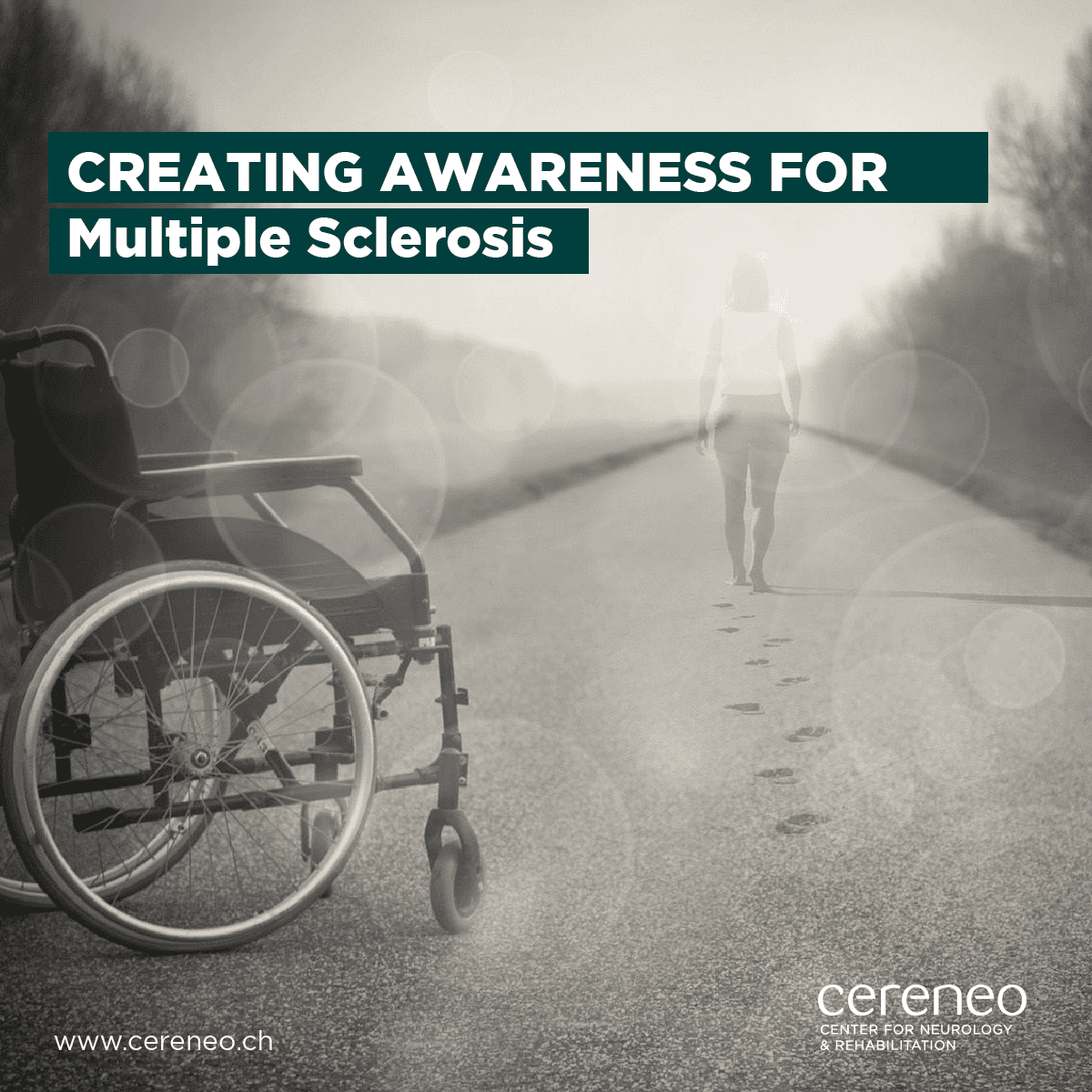
Multiple sclerosis (MS) is a chronic inflammatory autoimmune disease of the central nervous system and can progress in different ways, with symptoms often occurring in
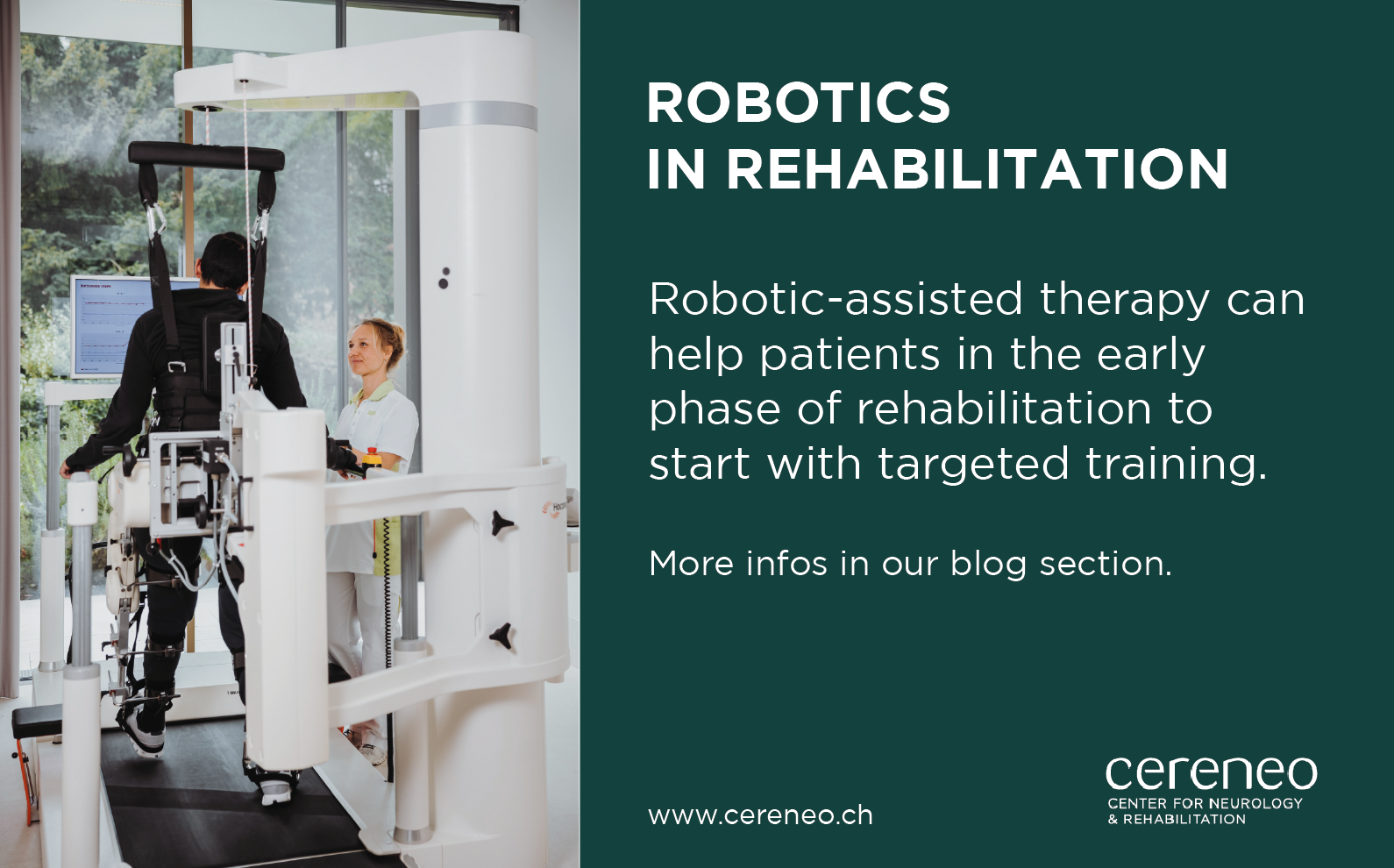
The Lokomat is a therapy equipment that has been specially developed for gait training. It is characterised by a variety of features that help our patients to